
With the beginning of 2023 came the beginning of a new two-year legislative session. Bills that did not pass by the end of the 2021-22 legislative session died and will have to be reintroduced. No animal welfare bills passed during the 2021-22 session.
As a result of the November 2022 election, Michigan has a Democratic trifecta for the first time in forty years, with a Democratic Governor and a two-seat Democratic majority in both the House and Senate. Democrats have a long policy agenda for the 2023-24 legislative session, and we are going to be advocating to include legislation that benefits Michigan’s people and animals.
While Michigan has strong animal protection laws, there is always room for improvement. Michigan ranked 14th in the Animal Legal Defense Fund’s recently released 2022 U.S. State Animal Protection Law rankings. (The ALDF rankings were discussed in a past article.) While this is a “top tier” ranking, we are always working to strengthen Michigan’s animal protection laws. This session, our legislative priorities include our bond-or-forfeit bills and sentencing guidelines bills.
We are working to reintroduce our bond-or-forfeit bills. Michigan needs state-wide legislation that will provide an effective bond-or-forfeit process to protect animals seized in animal cruelty and neglect cases. If animals are seized in connection with an animal cruelty or neglect case, the bond-or-forfeit provision would require the defendant, if he or she is also the animals’ owner, to either surrender the animals to the seizing agency or pay for the animals’ costs of care by posting a bond while the criminal case is ongoing. An effective bond-or-forfeit statute often prevents animal victims of cruelty and neglect from being held as living evidence while their abuser is prosecuted, which can take months or years.
In addition to the bond-or-forfeit bills, we are also working on bills that would amend Michigan’s sentencing guidelines to ensure that more appropriate sentences are given for animal cruelty convictions. Crimes against animals must be taken seriously because they are really crimes against society and are often related to violence against humans. Currently, there is a disconnect between the anti-cruelty statute, which was amended in 2019 to increase the penalties for animal cruelty, and the sentences for defendants convicted of animal cruelty. This is because under the current sentencing guidelines, animal cruelty is treated as a crime against property. As a result, unless the defendant has a prior conviction record, the sentencing guidelines will not generate a sentence imposing jail or prison time. We are collaborating with other stakeholders to propose amendments to the sentencing guidelines that apply when a companion animal is the victim so that the sentencing guidelines will appropriately reflect the seriousness of these offenses and fulfill the legislature’s intent in amending the anti-cruelty statute to increase potential sentences.
We are going to keep working to improve animal welfare and create a more humane community while serving as a voice for the animals through advocacy. Together, we can continue to make a difference in animals’ lives. If you know someone who you think would be interested in this information, please forward this to them and encourage them to sign up for our Legislative Action Network.
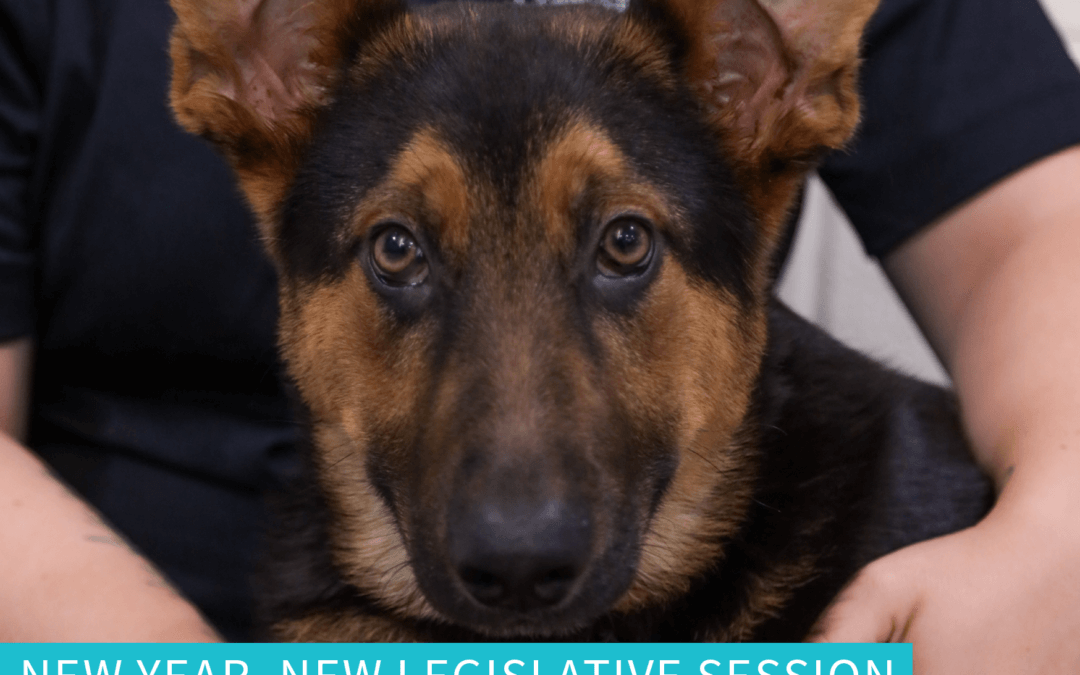
Photo Credit: Michigan Humane